
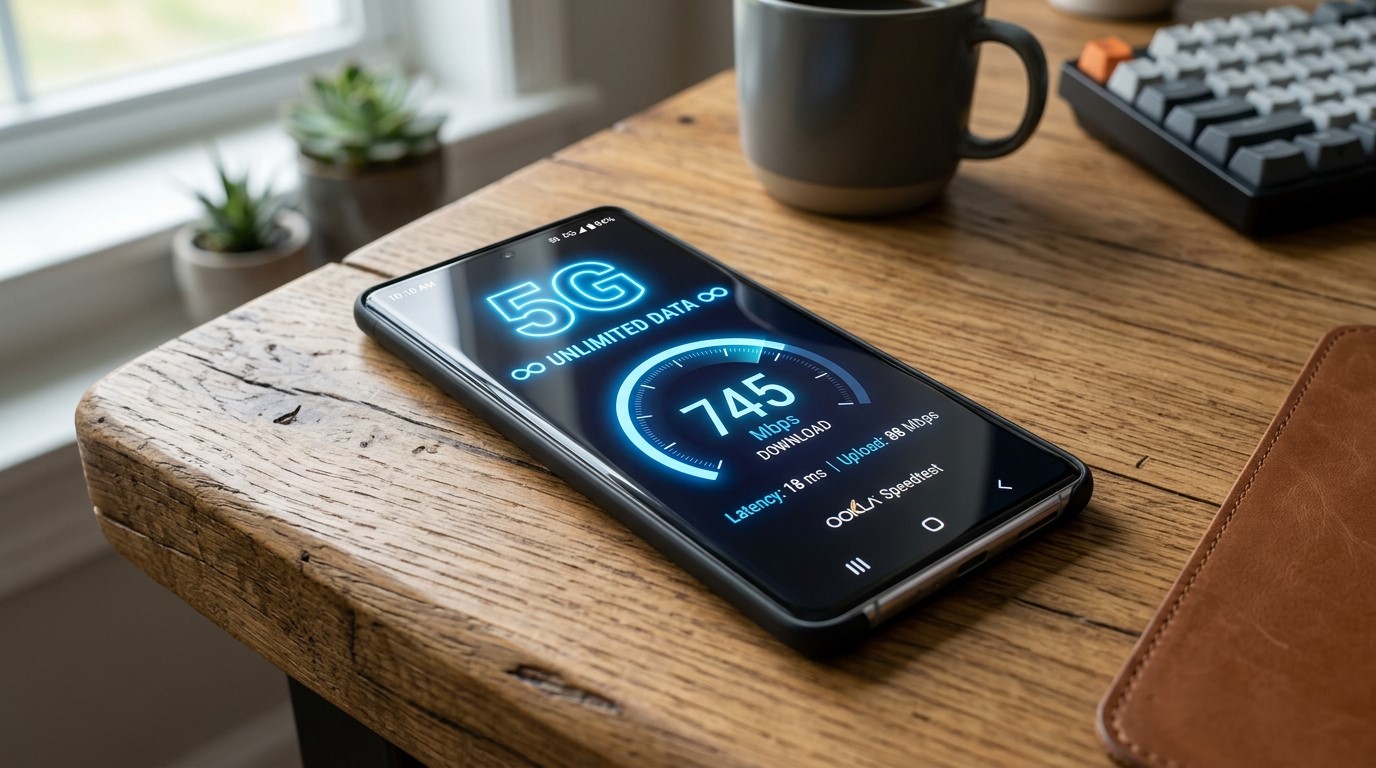
In today’s fast-paced digital era, having reliable high-speed mobile internet is no longer a luxury it is an absolute necessity. Whether you need to search for job opportunities, attend remote college classes, access telehealth services, or stay connected with loved ones, a modern 5G smartphone with unlimited data provides a crucial lifeline.
Through federal communications assistance initiatives, qualified low-income households, seniors, and students can receive free 5G government phones with unlimited data plans. This comprehensive 2026 guide breaks down how these programs work, which providers offer the best devices, eligibility requirements, and the step-by-step application process.
How Free 5G Government Phone Programs Work in 2026
The federal government supports affordable telecommunications primarily through the Lifeline Assistance Program, managed by the Federal Communications Commission (FCC) and the Universal Service Administrative Company (USAC). While Lifeline provides standard subsidies for monthly wireless services, participating service providers combine these federal benefits with state-level grants and promotional offers to distribute free 5G smartphones and high-speed data allowances.
Following the expiration of the Affordable Connectivity Program (ACP) funding in mid-2024, wireless carriers updated their benefit structures in 2025 and 2026. Top Lifeline providers now offer enhanced 5G data packages alongside upgraded entry-level and mid-range 5G Android devices to meet modern connectivity demands.
Top 5 Providers Offering Free 5G Phones & Unlimited Data
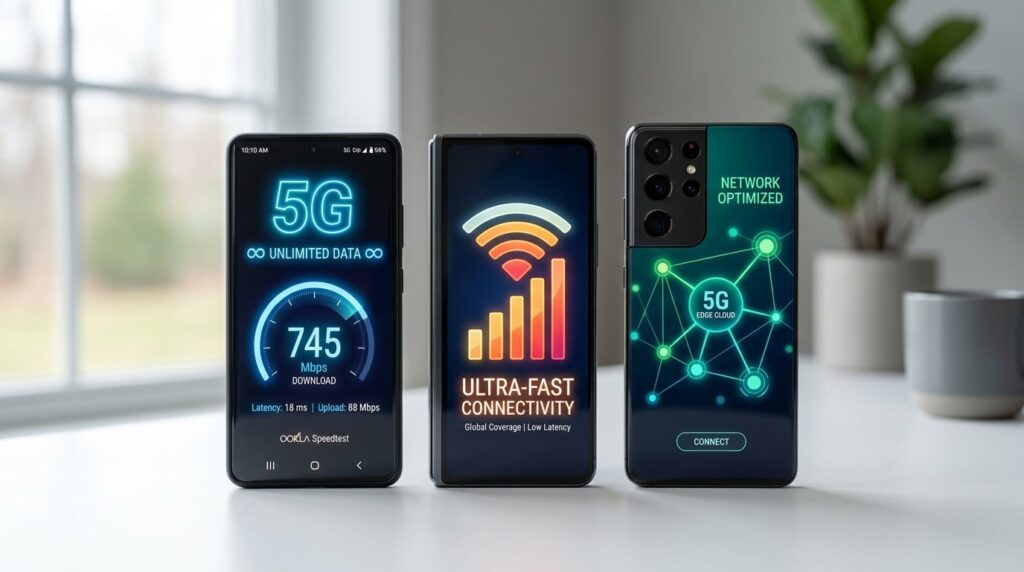
Choosing the right government phone provider depends on network coverage in your area, device availability, and promotional data plans. Below are the top 5 nationwide providers offering free 5G devices and generous high-speed data allowances:
1. AirTalk Wireless
AirTalk Wireless is widely recognized for offering some of the highest-quality 5G smartphones under the Lifeline program. Depending on current stock and your state of residence, qualifying applicants can receive refurbished 5G devices from top manufacturers like Samsung, Apple, Motorola, and LG.
- Data Plan: Free high-speed monthly data, unlimited picture messaging, and unlimited nation-wide talk.
- Device Highlights: Samsung Galaxy A-series 5G, iPhone 8/SE/11 (refurbished), Motorola Moto G 5G.
2. Assurance Wireless
Backed by T-Mobile’s extensive nationwide 5G network, Assurance Wireless is one of the most established Lifeline providers in the United States. They offer high-speed coverage with low latency, ensuring uninterrupted web browsing and online streaming.
- Data Plan: Free monthly data, unlimited texts, and talk minutes.
- Device Highlights: Entry-level 5G Android smartphones (such as UMX, REVVL, or TCL 5G models).
3. SafeLink Wireless
Operating under TracFone Wireless and utilizing Verizon’s nationwide network, SafeLink Wireless provides reliable signal stability in both urban and rural areas across the country.
- Data Plan: Generous high-speed data allocations with nationwide 5G access and unlimited text.
- Device Highlights: Free 5G Android phones or BYOD (Bring Your Own Device) SIM cards for compatible unlocked 5G phones.
4. Cintex Wireless
Cintex Wireless operates in select states and is popular for its straightforward application process and quick approval timelines. They frequently offer free 5G smartphones to eligible new subscribers.
- Data Plan: Free monthly data with 5G connectivity, unlimited picture messaging, and calling.
- Device Highlights: Certified pre-owned 5G smartphones and popular Android models.
5. Q Link Wireless
Q Link Wireless provides nationwide coverage and allows subscribers to bring their own unlocked 5G phone or apply for a free or discounted government device.
- Data Plan: Unlimited cell service package including high-speed 5G data, text, and voice minutes for qualified customers.
- Device Highlights: Basic 5G smartphones or free SIM card kits for current 5G phone owners.
Eligibility Requirements: Who Qualifies for a Free 5G Government Phone?
To receive a free government phone with unlimited data, you must meet qualification guidelines established by federal or state regulators. You can qualify through either Government Assistance Program Participation or Household Income Level.
Option A: Qualification via Government Assistance Programs
You automatically qualify for a free 5G government phone if you or a member of your household is currently enrolled in at least one of the following public assistance programs:
- Medicaid / Child Health Plus
- Supplemental Nutrition Assistance Program (SNAP / Food Stamps)
- Supplemental Security Income (SSI)
- Federal Public Housing Assistance (FPHA / Section 8)
- Veterans Pension and Survivors Benefit
- Special Supplemental Nutrition Program for Women, Infants, and Children (WIC)
- Tribal Specific Assistance Programs (Bureau of Indian Affairs General Assistance, TANF, Food Distribution Program on Indian Reservations)
Option B: Income-Based Qualification
If you do not participate in any government assistance programs, you can still qualify based on your annual household earnings. Your total household gross income must be at or below 135% of the Federal Poverty Guidelines for your state and family size.
| Household Size | 48 Contiguous States (135% FPL) | Alaska (135% FPL) | Hawaii (135% FPL) |
|---|---|---|---|
| 1 Person | $20,331 | $25,407 | $23,382 |
| 2 Persons | $27,594 | $34,493 | $31,739 |
| 3 Persons | $34,857 | $43,578 | $40,095 |
| 4 Persons | $42,120 | $52,664 | $48,452 |
Step-by-Step Guide: How to Apply for a Free 5G Phone Online
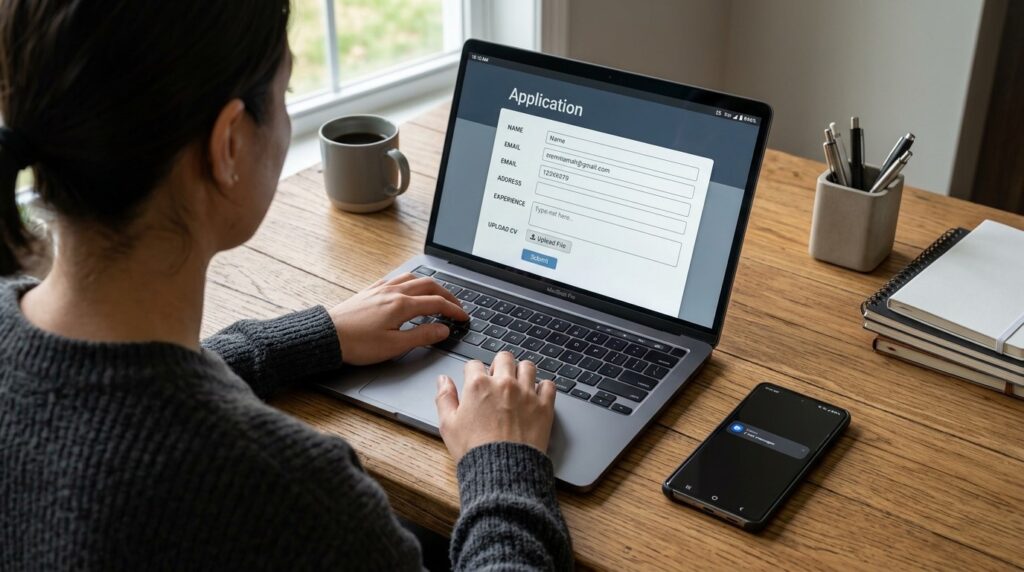
Applying for your free government smartphone is a simple online process that takes around 10 to 15 minutes. Follow these steps to submit a successful application:
Step 1: Choose a Provider in Your State
Visit the official Lifeline National Verifier website or check local provider coverage maps to select a carrier (e.g., AirTalk, Assurance Wireless, SafeLink) that offers 5G service in your ZIP code.
Step 2: Prepare Mandatory Proof Documents
Having your documents ready speeds up automated approval. You will need clear photos or PDF scans of:
- Government-Issued ID: Driver’s license, State identification card, Passport, or US Military ID.
- Proof of Program Eligibility: An official approval letter, benefit statement, or card showing current participation in SNAP, Medicaid, or SSI.
- Proof of Income (if applying by income): Prior year’s state/federal tax return, three consecutive pay stubs, or a statement of Social Security benefits.
- Proof of Address: A utility bill, lease agreement, or official mail showing your legal residence.
Step 3: Complete the National Verifier Application
Go to the official National Verifier portal at nv.fcc.gov or apply directly through your chosen carrier’s online portal. Fill in your full legal name, date of birth, address, and the last 4 digits of your Social Security Number (SSN).
Step 4: Upload Verification Files & Submit
Attach your documentation, review your details for accuracy, and submit the application. Most online applications are verified instantly via national databases. If manual review is required, approval typically takes 1 to 3 business days.
Step 5: Receive and Activate Your Free 5G Phone
Once approved, your carrier will ship your free 5G smartphone directly to your doorstep within 5–10 business days. Follow the enclosed activation instructions or insert the included 5G SIM card into your device to start enjoying free service.
Frequently Asked Questions (FAQ)
Are free 5G government phones completely free?
Yes. For eligible low-income individuals enrolled in the Lifeline program, there are no monthly bills, setup charges, or long-term contract requirements.
Can I bring my own 5G smartphone instead of getting a new one?
Yes! Most carriers support BYOD (Bring Your Own Device). If you already own an unlocked 5G phone, you can request a free 5G SIM card kit and keep your original device and phone number.
Can multiple people in the same household get a free phone?
No. Under federal rules, the Lifeline benefit is strictly limited to one discount per household, not per individual.
What should I do if my application is rejected?
Common rejection reasons include mismatched addresses or unreadable document copies. Check the refusal notification, ensure your legal name matches your official ID exactly, and re-upload clear document copies.
Final Thoughts
Securing a free 5G government phone with unlimited data in 2026 is one of the best ways for eligible low-income individuals, college students, and seniors to lower monthly utility expenses without sacrificing internet performance. Choose a reliable provider in your region, collect your documentation, and complete your application today to stay connected with high-speed 5G speed.